I
Bastianin
The name
The name Bastianin is part of who I am.
It was the nickname of my grandfather, Gastaldi Sebastiano.
Sebastiano on paper, Bastianin within the family — as Piedmontese tradition has it, shortening first names out of tenderness.
Our story
Seven chapters of a family, a name, a cuisine — brought together today in a single place, at a single table.
I
The name
The name Bastianin is part of who I am.
It was the nickname of my grandfather, Gastaldi Sebastiano.
Sebastiano on paper, Bastianin within the family — as Piedmontese tradition has it, shortening first names out of tenderness.
II
1950 · Refuge Garelli · Pesio Valley
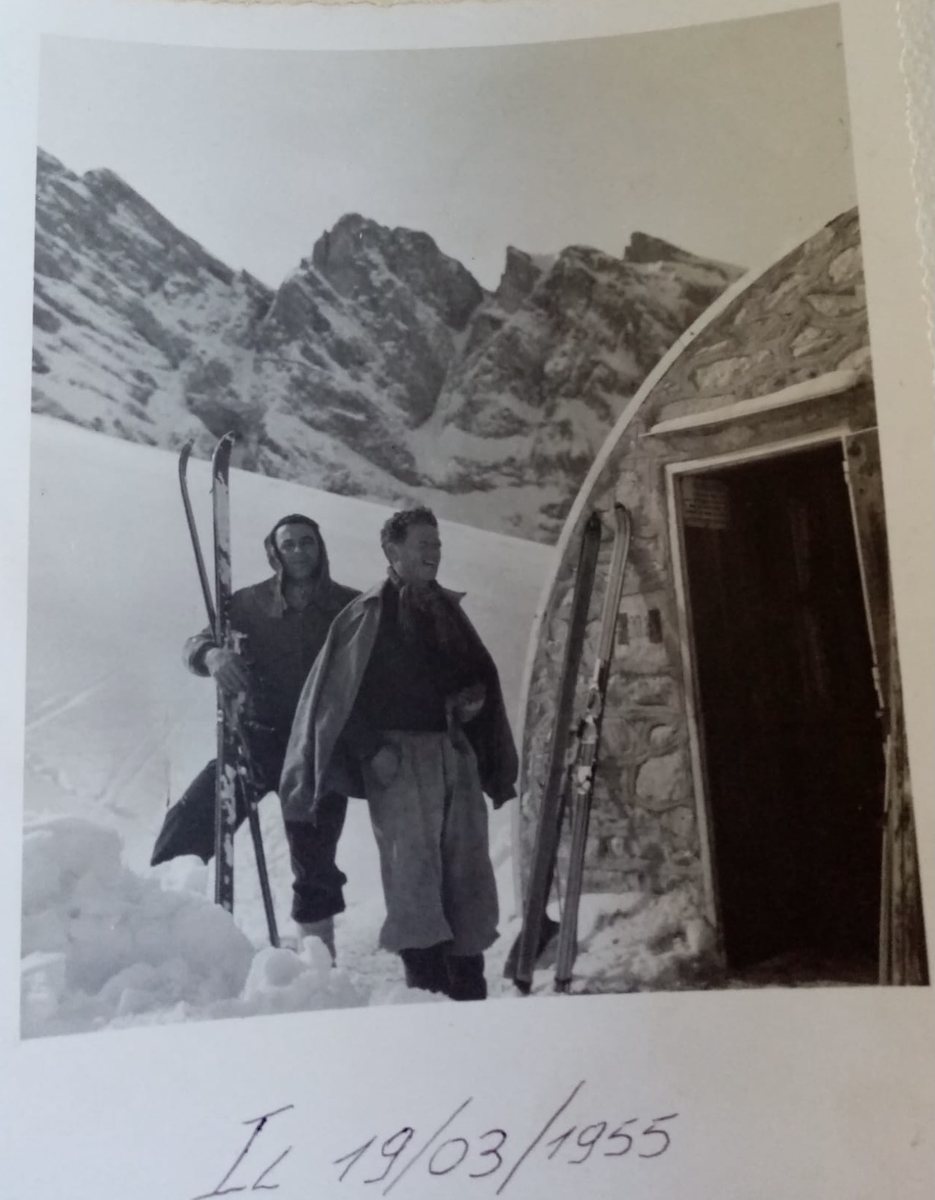
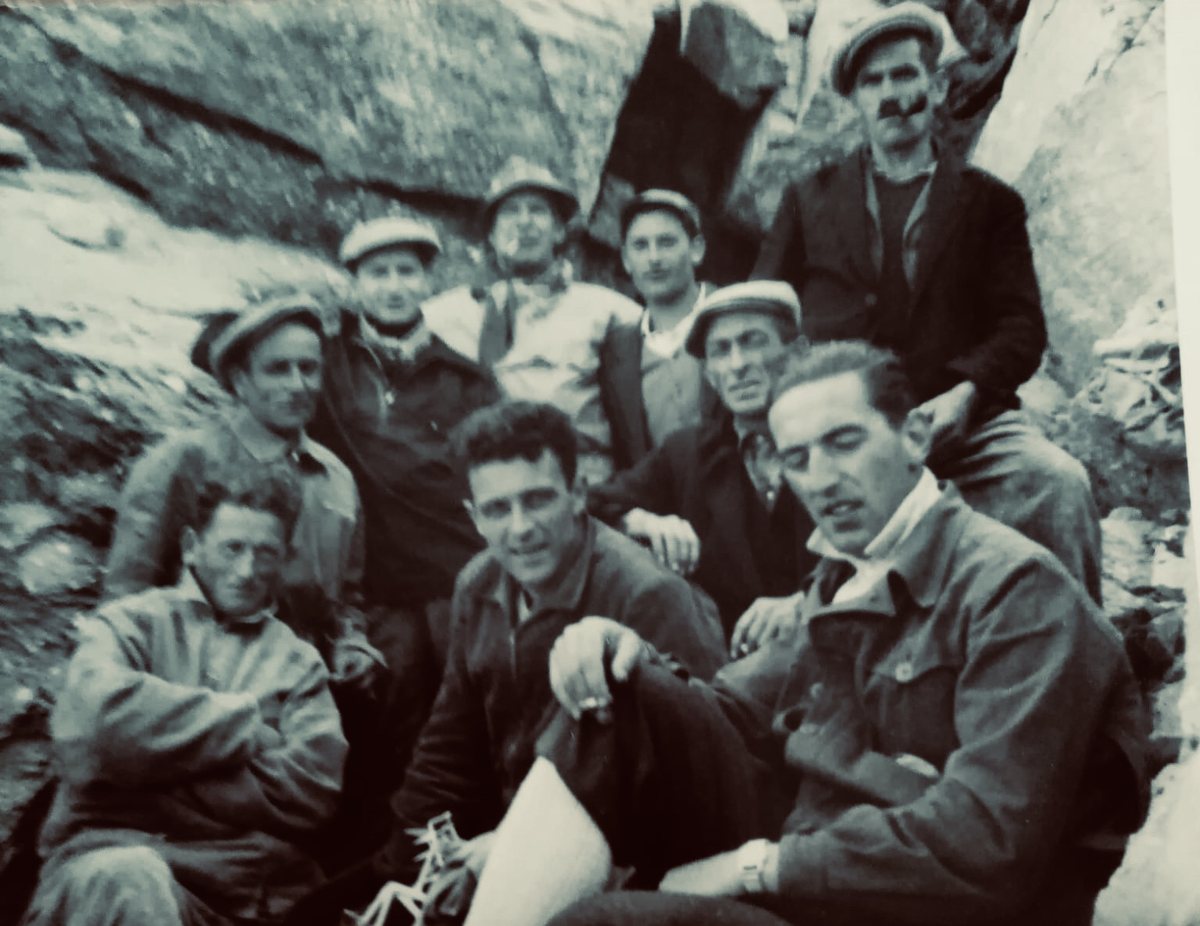
In the 1950s, my grandfather built and ran a mountain refuge in the Pesio Valley, among the peaks of the Maritime Alps — today part of the Natural Park of the Upper Pesio and Tanaro Valley.
That refuge, the Refuge Garelli, offered shelter and comfort to hunters, to hikers, to the men of the alpine rescue, to lovers of the mountains. At a time when hospitality was an authentic value. An essential one.
That, I believe,
is where it all begins.
III
Lorenzo — Bastianin's son
Lorenzo, Sebastiano's son, grew up on those mountains. In summer he drove the cows up to the alpine pastures — on the very peaks of the Pesio Valley where his father kept the refuge. He learned the animals before he learned the meat: the seasons, the pastures, respect for the beast.
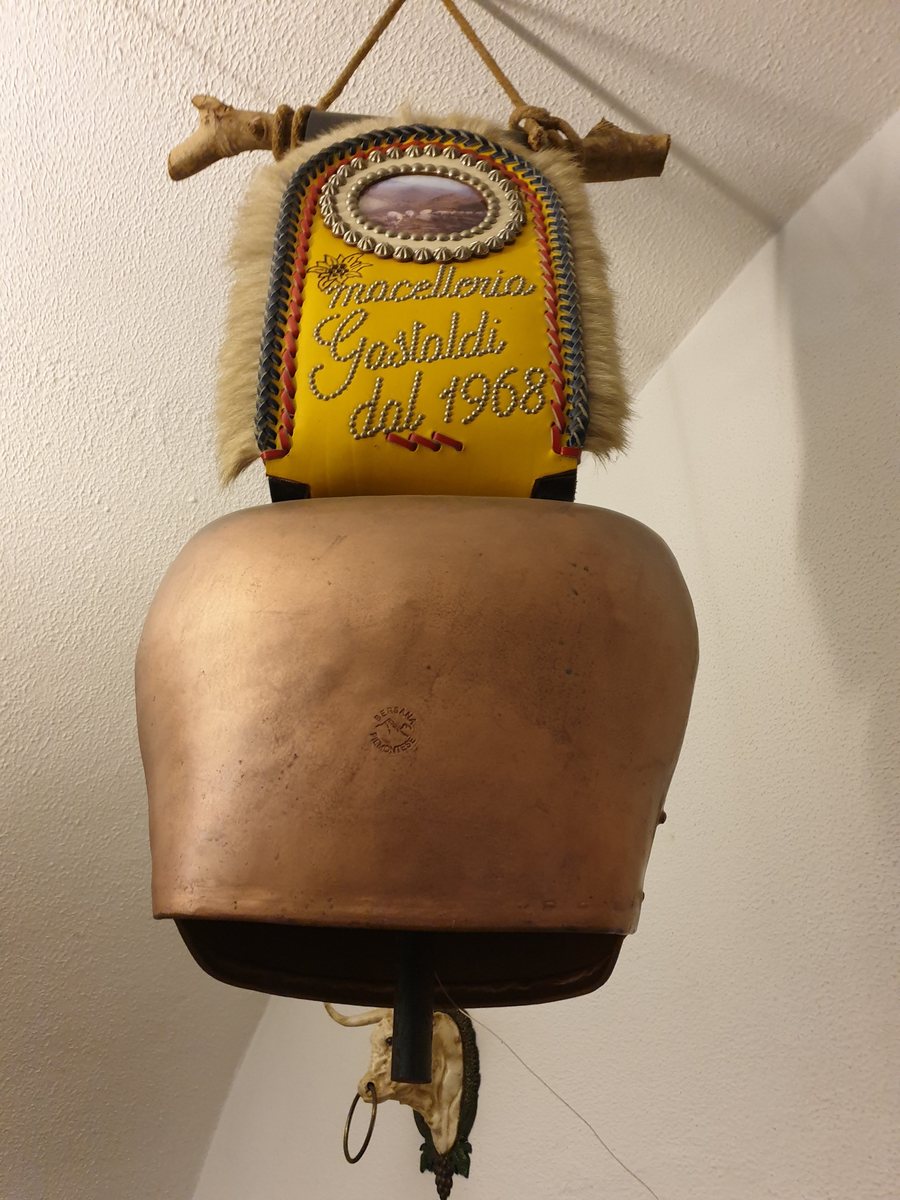
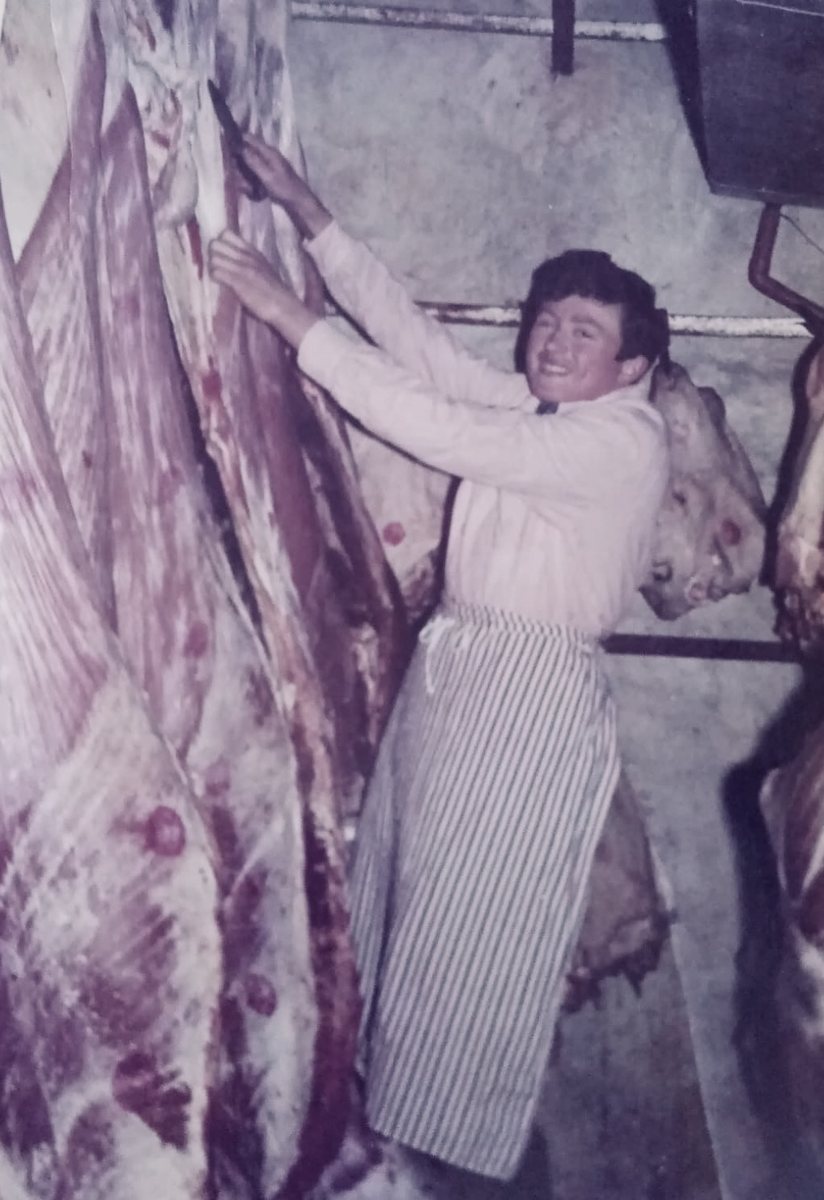
Then he became a butcher — very young. In 1968, at sixteen, Lorenzo was already a butcher. It was the beginning of the Gastaldi tradition: a skilled butcher, trained in the right gesture — the kind who can read a carcass the way others read a map.
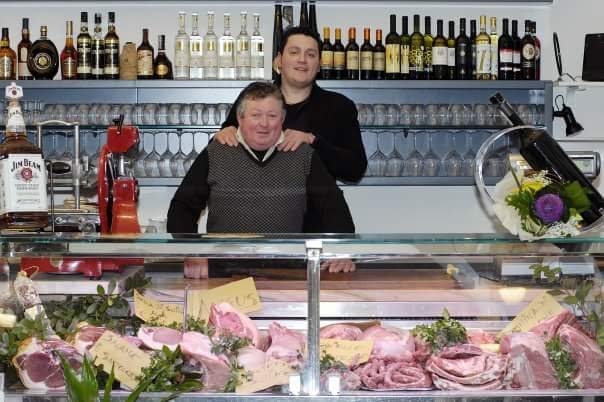
In 1975, he opened his own butcher's shop: the Macelleria Gastaldi. It was in Liguria that he met Grazia, newly arrived from Calabria. And it was there, in Imperia, that Manuel Sebastiano Gastaldi was born.
Between the butcher's blocks, the cold rooms and the counter, Manuel took his first steps. Butchery is not a trade he learned — it is the house he grew up in.
Ten years into the trade, father and son opened their restaurant and butcher's shop together. The idea that would become Chez Bastianin was born there — between the butcher's counter and the restaurant tables, at Lorenzo's side.
IV
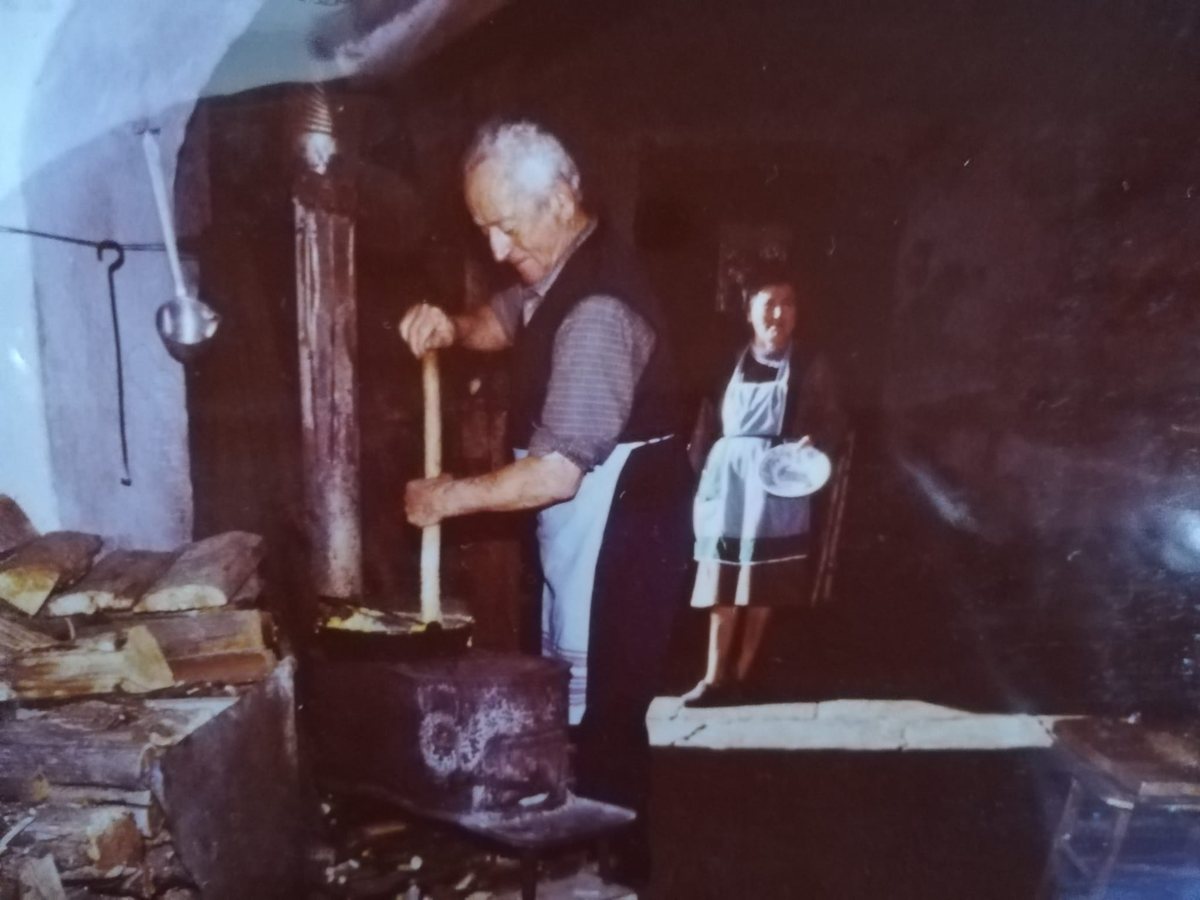
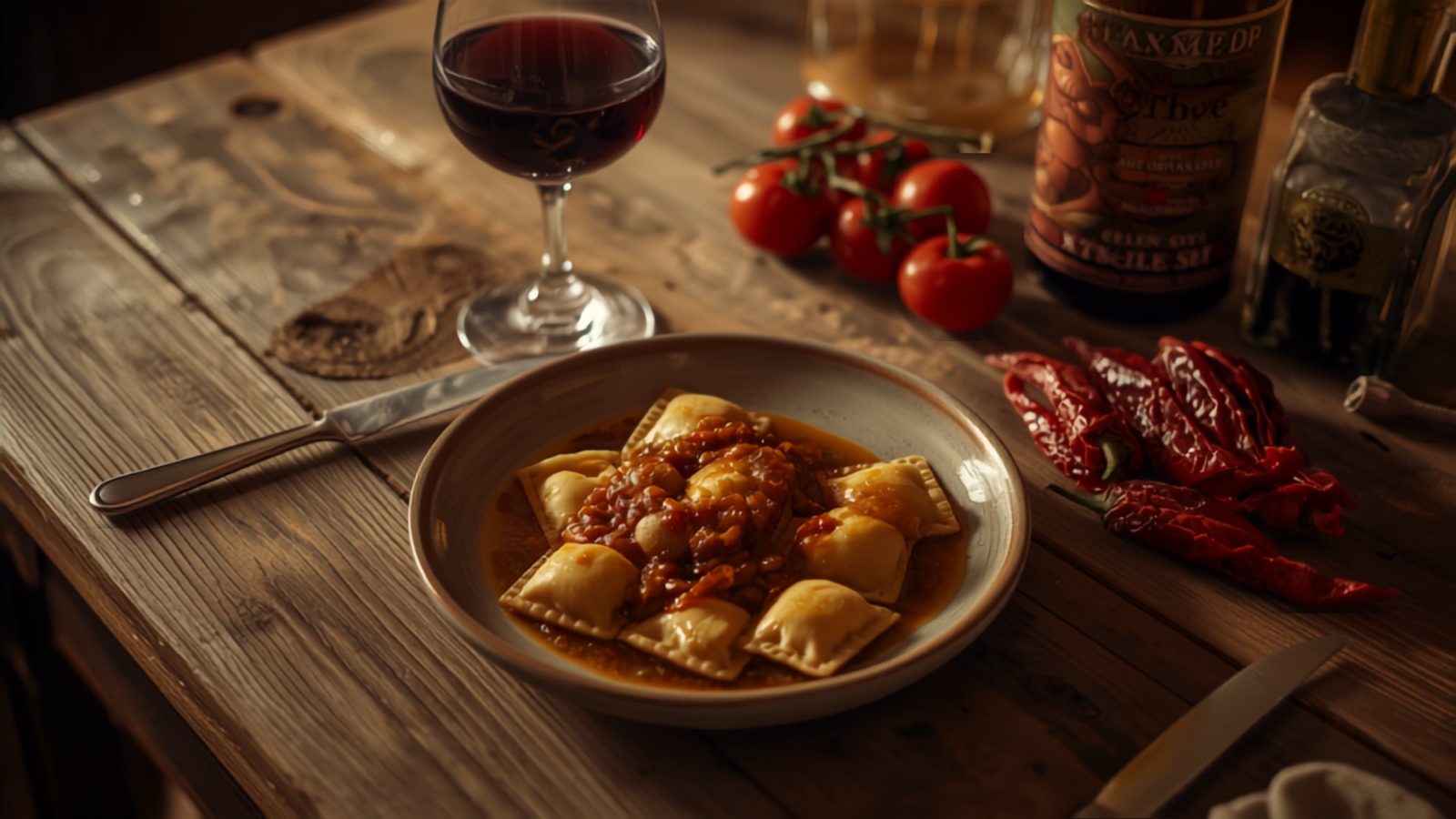
Lorenzo cooked like a Piedmontese: with rigour, restraint, and a silent devotion to the product. The vitello tonnato rested for hours before being sliced thin. The agnolotti del plin were pinched one by one, on Sunday mornings, on the floured table. The brasato al Barolo simmered all day long, and nothing else was touched in the kitchen.
And then there was the carne cruda all'Albese — raw meat from young cattle, hand-cut with a knife, simply seasoned with olive oil and salt. The dish I put on the menu at Chez Bastianin, almost exactly as it was.
From Lorenzo I inherited respect for the fire, patience, and the certainty that you never cheat with a good product: you accompany it, you don't dress it up.
"A good dish is three things: a product you respect, a fire you master, and the humility not to overdo it."
Grazia brought Calabria into the house. And Calabria does not hold back. The 'nduja chilli that turns the oil red. The smoked sausage hanging from the basement ceiling. The garden tomatoes that simmer for six hours and perfume three floors. The pasta rolled by hand on Sunday mornings, for more generations than anyone can remember.
Grazia's table is generosity that brooks no argument. You never serve a portion: you serve a dish. And never mind if there's too much. It's the thought that counts.
Two Italies, two climates, at the same table every evening — measure and abundance, the knife and the spoon. I grew up straddling the two. And I never chose.
V
Draguignan · 16 December 2021
On 16 December 2021, we opened our first house in Draguignan. A small butcher's shop, a few tables, an address away from the shopping streets — and one single obsession: quality, without compromise.
People thought we were mad.
Then, little by little, we became a reference for exceptional meat in the Dracénie. I owe — and will always owe — a debt to the people of Draguignan. Many of them, among our first customers, became true friends.
If our paths crossed here, it was no accident. Valeria Olivieri — my partner, born in Mantua — had come to join her brother Andrea Olivieri and her sister-in-law Isabelle, settled in the Dracénie: both violin makers of the very highest level.
A family of artisans, of chosen wood, of fine ears.
None of this would have been possible without her, and without her family — their support brought that first house to life. And besides Valeria, our cellar is hers.
Without her,
Bastianin would not exist.
VI
Plan-de-la-Tour · Gulf of Saint-Tropez
Today, through Chez Bastianin, I bring these two souls together: the butchery and the kitchen, memory and journey, simplicity and the authentic pleasure of the table.
We are in Plan-de-la-Tour, ten minutes from Sainte-Maxime, in the heart of the Gulf of Saint-Tropez. A dining room, a terrace, an open kitchen — and, at the back, a dry-ageing room where time does its work.
VII
What we repeat to ourselves, every morning
I.
Butcher and cook. The same hand.
II.
Pure flavour, precise cooking, the desire to give pleasure.
III.
Between memory and modernity, between tradition and freedom.
The team
Co-founder · The cellar
Born in Mantua. The palate, the ear, the instinct for pairings. Bordeaux, Burgundy, Italy, Champagne — every bottle has passed through her hands.
Executive chef · At the Josper
A calm rigour, an attention to the product that lets nothing slip. He is the one who, every day, brings to the plate what the house selects.